5 Ways to Protect Your Roof From Canberra Winter Frosts
Canberra’s cold winter nights regularly bring frost, making roof maintenance an important part of protecting your home. Frost alone does not usually damage a sound roof, but freezing moisture can worsen existing cracks, while blocked drainage and roof-space condensation can contribute to leaks and deterioration. The best protection is to address small defects before winter and manage moisture throughout the colder months.
1. Inspect and Repair Existing Roof Damage
Arrange a roof inspection before winter, particularly if you have noticed ceiling stains, loose roofing materials or leaks after rain. Water entering cracks and gaps can freeze when temperatures fall, potentially worsening existing damage over repeated cold spells.
For tiled roofs, have cracked or displaced tiles and deteriorated ridge bedding or pointing assessed. For metal roofs, ask a roofer to check corrosion, loose fasteners, deteriorated sealing washers and damaged flashings around chimneys, skylights and roof penetrations. Repairs should use materials compatible with the existing roof.
Never walk on a frosty roof. Inspect from ground level where possible and leave roof access to professionals with appropriate fall protection.
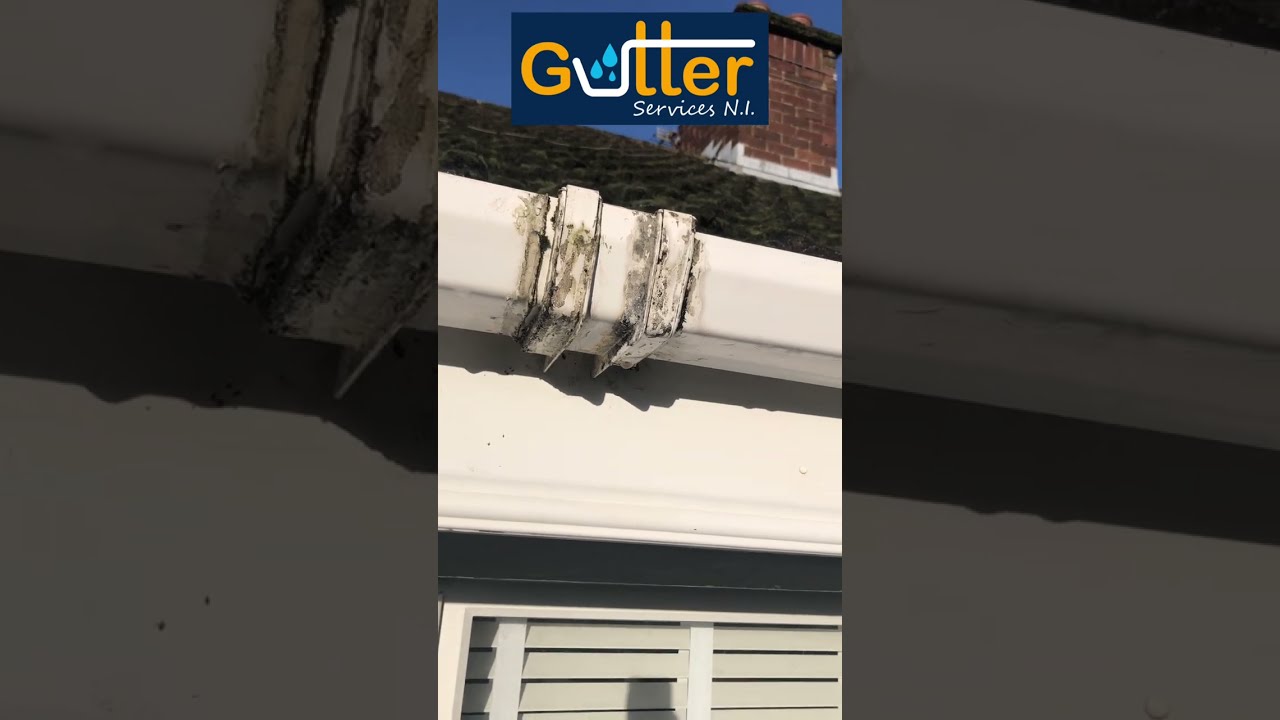
2. Keep Gutters, Downpipes and Roof Valleys Clear
Leaves, twigs and sediment can obstruct drainage, allowing water to back up beneath roofing or overflow near eaves. This is particularly relevant to Canberra properties surrounded by mature trees.
Clear gutters and roof valleys before winter, and check them again after storms or heavy leaf fall. Make sure downpipes discharge freely into the appropriate stormwater system. Ask a professional to investigate persistent ponding, https://felixhicf397.oakridgedigest.com/posts/how-canberra-winter-condensation-damages-ceiling-timbers leaking gutter joints or overflowing sections rather than relying on repeated cleaning alone.
If you have gutter guards, remember that they still require inspection and maintenance. Fine debris can collect beneath or on top of them.
3. Manage Roof-Space Condensation
During cold weather, warm, moisture-laden indoor air can reach cold roof surfaces and condense. Persistent condensation may dampen insulation, encourage mould and contribute to timber deterioration or metal corrosion. It can also be mistaken for a roof leak.
Use kitchen and bathroom exhaust fans, and have their ducting checked to ensure moist air discharges outdoors rather than into the roof space. Avoid drying washing indoors without adequate ventilation, and investigate persistent moisture or musty smells.
A qualified professional can assess whether your roof needs improved ventilation, air sealing or other condensation-control measures. Adding roof vents is not a universal fix; the right solution depends on the roof construction, insulation and existing moisture pathways.
4. Check Insulation Without Blocking Essential Airflow
Well-installed ceiling insulation helps maintain indoor comfort through Canberra’s frosty nights. Have accessible insulation checked for gaps, compression, displacement or moisture damage, especially after electrical, plumbing or roofing work.
Insulation and ventilation need to work together. Do not push insulation into eaves where it could block designed airflow, and maintain required clearances around heat-producing equipment and electrical fittings. Ask a suitably qualified installer to assess insulation coverage and any safety issues.
Insulation does not prevent frost forming on the outside of a roof. Its role is to improve thermal performance as part of a properly managed building envelope.
5. Maintain Flashings and Trim Overhanging Branches
Flashings direct water away from vulnerable roof junctions. Have lifted, corroded or poorly sealed flashings repaired, particularly around chimneys, valleys and skylights. Avoid treating every leak with surface sealant: a durable repair may require correcting the flashing detail or replacing a damaged component.
Arrange safe pruning of branches that rub against roofing or drop excessive debris into gutters. Before substantial pruning or removing a tree in Canberra, check whether ACT tree-protection requirements apply. Use a qualified arborist where branches are large, difficult to reach or near powerlines.
Prepare Your Canberra Roof Before the Next Frost
A clear drainage system, sound roofing materials and effective moisture control offer practical protection through Canberra’s winter. If you notice loose tiles, rust, recurring condensation or ceiling stains, arrange a local roofing assessment promptly. Early repairs help prevent minor defects from becoming more disruptive water damage.
Canberra Roof Restoration Experts
(02) 6105 9817